
An Uncommon Horror Experience Built on Tension and Trust After years of exploring survival horror, cooperative shooters, and experimental indie projects, it is rare to find a game that genuinely reshapes how fear is delivered. Phasmophobia succeeds not by overwhelming the player, but by quietly unsettling them. It relies on observation, deductio...
Best Games Like Phasmophobia




















An Uncommon Horror Experience Built on Tension and Trust
An Uncommon Horror Experience Built on Tension and Trust
After years of exploring survival horror, cooperative shooters, and experimental indie projects, it is rare to find a game that genuinely reshapes how fear is delivered. Phasmophobia succeeds not by overwhelming the player, but by quietly unsettling them. It relies on observation, deduction, and teamwork rather than scripted chaos. From the perspective of an experienced gamer, this title stands out as a long-term experience rather than a short-lived scare.
Gameplay Focused on Investigation, Not Power
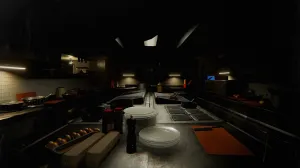
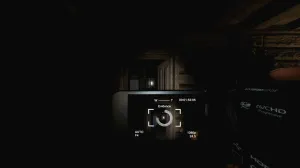
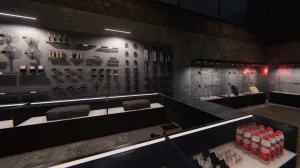
Phasmophobia places players in the role of paranormal investigators tasked with identifying supernatural entities across a variety of locations. Instead of traditional combat systems, the core mechanics revolve around evidence gathering. Every match begins with limited information, basic tools, and a location that feels ordinary until it suddenly does not.
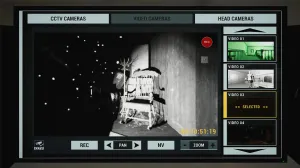
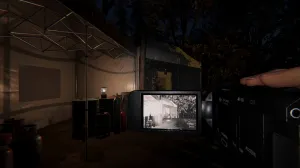
Players must monitor environmental changes, listen for subtle cues, and document activity to determine the type of presence they are facing. Success depends on patience and attention rather than reflexes. This design choice gives each session a unique rhythm and encourages careful planning before acting.
Atmosphere Created Through Silence and Sound
One of the game’s greatest strengths lies in its sound design. Audio is not just aesthetic but mechanical. Voice recognition allows the game to respond to what players say aloud, making communication a calculated risk. Speaking too freely can draw attention, while silence can heighten anxiety.
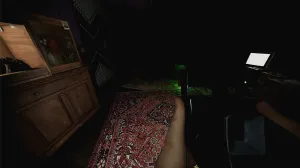
Environmental noises such as distant footsteps, creaking floors, or malfunctioning equipment build tension naturally. The absence of constant background music ensures that every unexpected sound carries weight. Over time, players learn that quiet moments are often the most dangerous.
Locations That Feel Familiar Yet Unpredictable
The maps are grounded in realism. Residential homes, schools, and industrial spaces are laid out logically, which makes them more unsettling when strange events occur. Familiarity does not reduce fear here; instead, it deepens it as safe spaces slowly lose their comfort.
Randomized activity patterns prevent memorization. Even after dozens of hours, returning to the same location rarely feels repetitive. Lighting, entity behavior, and objective combinations keep players adapting their approach every time they play.
Progression That Encourages Smarter Play
Progression in Phasmophobia is deliberately restrained. Completing investigations rewards players with currency and experience, unlocking new tools and difficulty options. Advanced equipment provides more accurate readings, but it does not remove risk.
This balance ensures that knowledge matters more than gear. Experienced players learn how to interpret subtle clues and manage danger effectively. The decision of when to leave a location becomes a meaningful choice rather than a routine action.
Multiplayer Synergy and Social Impact
Although solo play is fully supported, multiplayer is where the game truly shines. Coordinating roles, sharing discoveries, and reacting to sudden changes creates organic tension that scripted games struggle to replicate. Group dynamics often evolve naturally, with players adopting preferred tasks or strategies.
The community surrounding the game plays a significant role in its longevity. Shared experiences, custom challenges, and limited mods keep engagement high. While mods are not officially extensive, they add variation without undermining the core experience.
Technical Performance and VR Integration
Over time, Phasmophobia has matured into a stable and polished product. Performance is consistent across supported systems, and updates regularly address balance and quality-of-life improvements. Network stability during cooperative sessions is generally reliable.
VR support elevates immersion dramatically. Handling equipment manually and navigating dark spaces in virtual reality intensifies every moment. However, VR play requires capable hardware and is best suited for players already comfortable with the game’s mechanics.
Replay Value Beyond Initial Fear
Many horror games rely on surprise, which fades after repeated exposure. Phasmophobia avoids this pitfall by making uncertainty the core of its design. No two investigations unfold the same way, and even experienced players can be caught off guard.
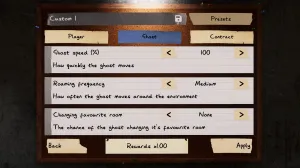
Difficulty settings allow players to scale challenges as their skills improve. Higher levels demand greater efficiency, sharper observation, and stronger teamwork. This scalable design ensures that the game remains engaging long after the first few hours.
How to download Phasmophobia
Availability & Launch: Phasmophobia is available as a paid title and is not free. The official download is provided through recognized digital storefronts. There is no legitimate free version, and unofficial sources should be avoided.
Platforms: The game is officially supported on Windows PC with optional VR compatibility. Mac and Linux users may rely on compatibility layers or cloud services. Console versions are planned but not fully available yet. Mobile platforms such as Android do not offer native access, though streaming solutions may allow indirect play.
Install: Purchase the game from an official store, download the client, and follow standard install instructions. Ensure audio devices and microphones are configured correctly before playing.
System Requirements: On PC, a modern processor, 8 GB RAM, and a dedicated graphics card are recommended. Mac users require emulation solutions. Android access is limited to cloud-based services rather than direct install.
Cheats / Mods: Cheats are not supported in official multiplayer and may lead to restrictions. Mods exist but are mostly cosmetic or challenge-based.
Unblocked Access: Playing unblocked in restricted environments such as schools or workplaces typically requires cloud gaming platforms and may still be limited by network policies.
- Investigation-focused gameplay rewards careful thinking
- High replay value through randomized encounters
- Multiplayer design encourages teamwork and communication
- Progression system emphasizes skill over equipment
- VR support offers deep immersion for advanced players.
- Strong atmosphere driven by sound and pacing
- Early learning curve can feel intimidating
- Limited official support for extensive mods.
- Minimal narrative structure may not appeal to all players