Silent Echoes: Unraveling the Mysteries of Forgotten School Lockers
- 0
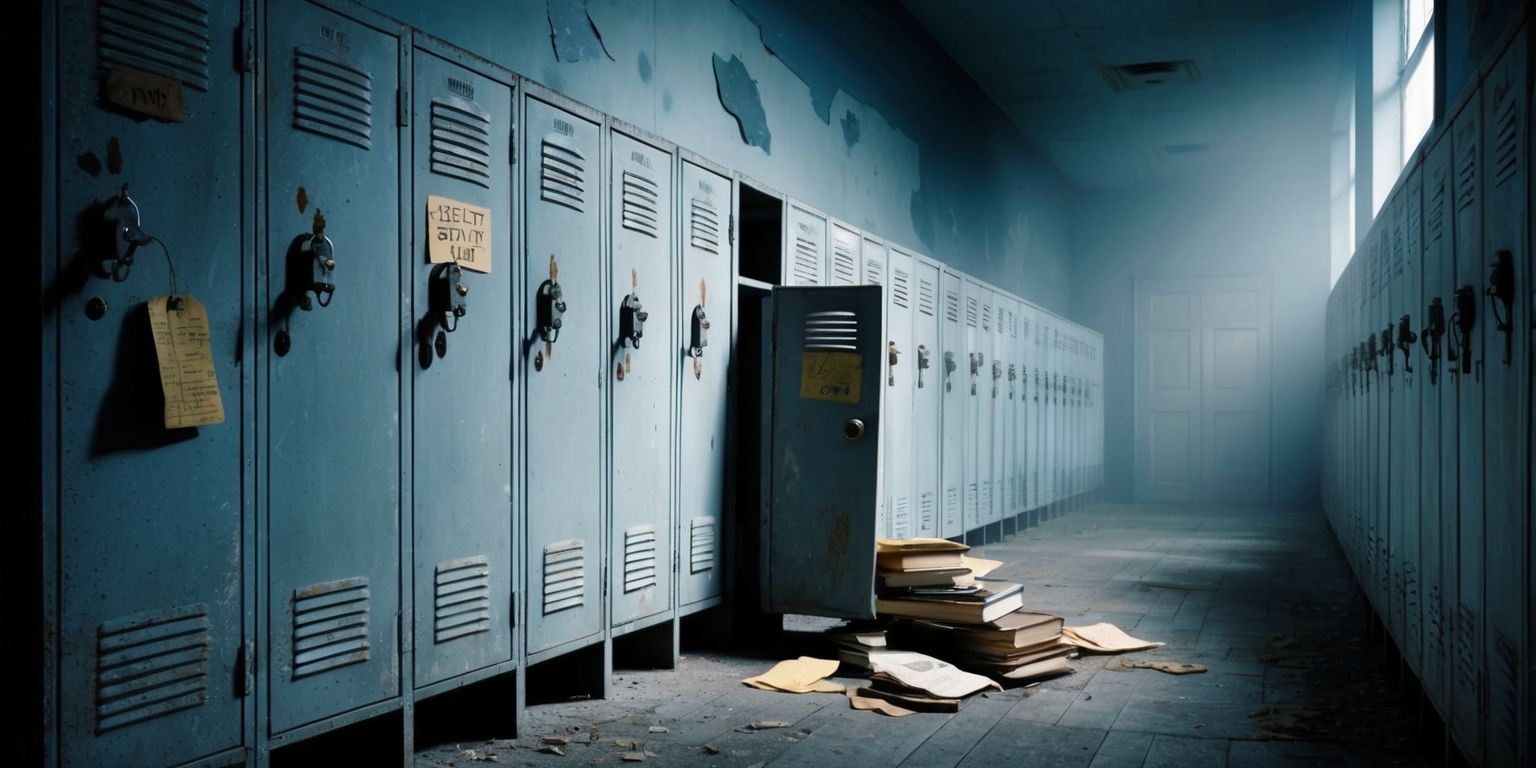
The eerie corridors of a forgotten school in Silent Hill f beckon curious players with their blend of mystery and puzzle-solving. In this foreboding setting, forgotten whispers and cryptic clues converge, drawing the investigator deeper into a realm where every locker conceals insights and hidden tools. The interactive environment challenges You must do more than just get by—you need to thrive as well piece together secret codes and clues left behind by enigmatic students. Each discovery adds a fragment to the narrative puzzle, testing both your logic and resolve as you navigate the labyrinth of school corridors, uncovering items that enhance your ability to face the dark forces that lie ahead.
A World of Enigmatic Design and Atmosphere
The game immerses the player in a twisted version of an abandoned school where design and The ambiance is key in establishing the overall mood of suspense. The architecture of the campus is meticulously rendered to evoke feelings of isolation and uncertainty. Dimly lit hallways, creaking floors, and scattered personal belongings Develop a setting imbued with an uncanny, spectral quality and… intoxicating. Environmental sounds mingle with distant echoes, accentuating the hidden dangers lurking in each room. The attention to visual detail extends to every locker and classroom, where faded graffiti and mysterious markings beckon exploration. In this intricate design, every element, from whispered background narratives to visual cues, serves to build a layered experience that engages puzzle fans and horror enthusiasts alike.
The Intricate Puzzle of Locker Combinations
Deep within the school, an interesting challenge awaits the player with a series of lockers employing a cryptic combination system. The students devised a secret code that assigns numerical values to specific letters, a clever mechanism that players must decode to advance in the game. This system also adds a personalized touch to the narrative as each locker is linked to a character’s identity. The puzzle is constructed in such a way that letters absent from the cipher are disregarded, focusing the player's attention on the significant symbols. For instance, names like KEIKO become intriguing puzzles themselves, where only specific letters contribute to the final sequence. Such challenges meld logical deduction and observational skills, reinforcing the interconnectedness of narrative and gameplay in this eerie adventure.
The Role of Journal Clues in Solving Mysteries
Integral to the game’s design is a journal that acts as a guide through the maze of mysterious clues scattered throughout the school. This journal functions as a repository for hints regarding the secret code mechanics and locker combinations. Details such as specific character preferences or coded messages are discreetly recorded, requiring players to revisit and analyze the notes periodically. The journal’s entries provide context for each puzzle, suggesting that every action contributes to an emerging story. The narrative detail embedded in these entries encourages the player to remain vigilant about every detail encountered. Consequently, the journal transforms from a simple guide into a narrative tool, wrapping layers of subtle storytelling and interactive challenge that heightens the stake with every locker revealed.
Exploring the Secret Code's Intricacies
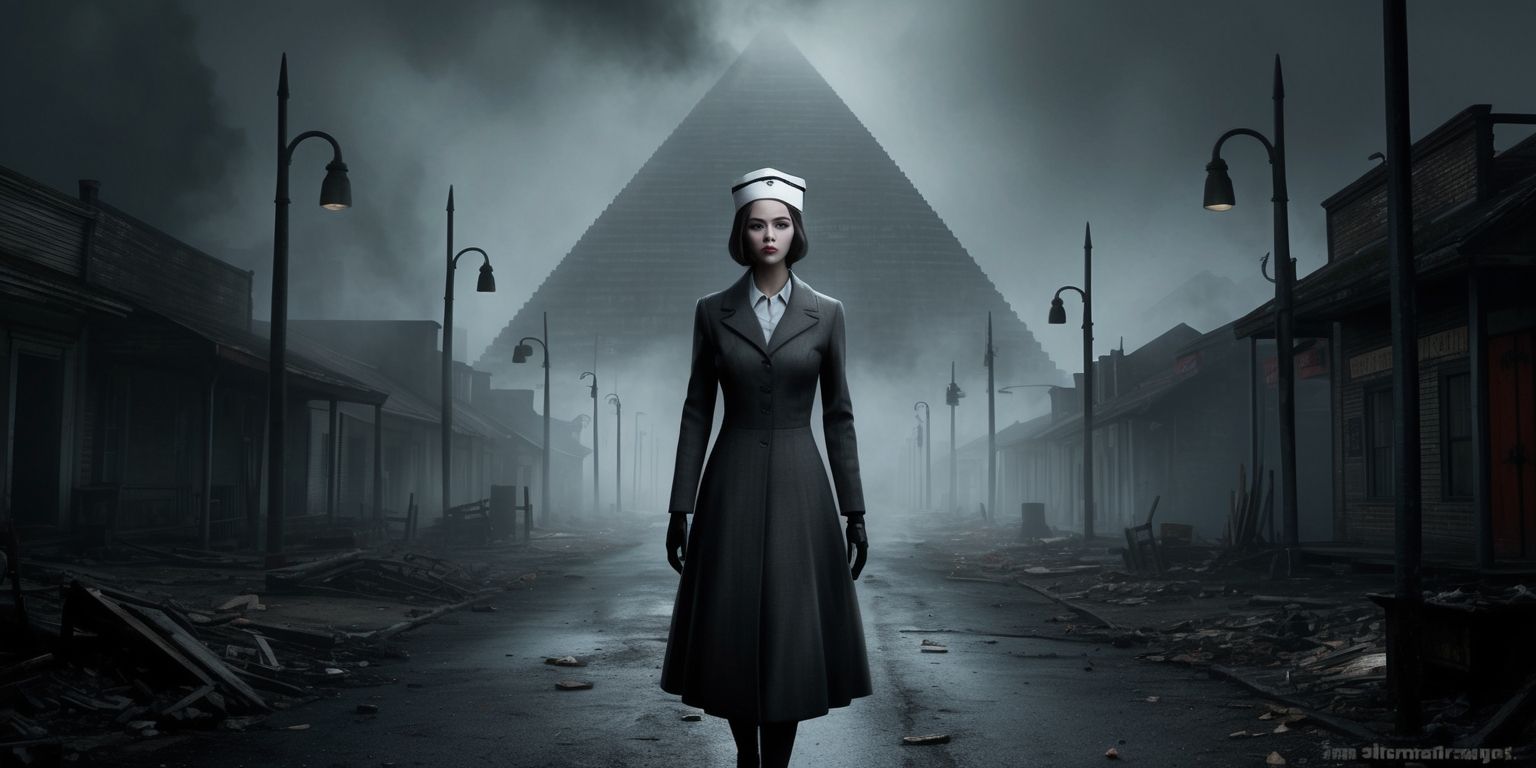
Diving further into the mechanics, the secret code comprises a unique set of letter-to-number mappings that form the foundation for unlocking the school’s mysteries. The rules are clear: only some letters are translated into numbers while others, though present, are not factored into the combination. This selective transformation emphasizes the puzzle’s demand for a meticulous eye for detail combined with a methodical mindset. Players discover that familiarity with the code is essential as it underpins the process of converting names into numerical sequences. Each combination, though seemingly arbitrary at first glance, follows a logical pattern, ensuring that perseverance and deductive reasoning are rewarded. The code compels players to search the environment actively and pay close attention to every whispered hint, ensuring that the challenge is both engaging and respectably challenging.
Character-Specific Locker Challenges
Every character in the game presents a unique puzzle through their personal locker, each marked by intricate details that tie into the broader narrative. For instance, Aoi Takeshi’s locker, with its straightforward three-letter name, encourages players to apply the cipher to form the number 401, revealing an item essential for deeper mysteries. Through his locker, players gather hints that echo through other puzzles, serving as a connecting thread within the story. Similarly, characters like Tsuchiya Taiko and Suga Yosie bring in varied elements: one with a direct numeric hint via a journal entry and the other with a call for help embedded in the combination. These distinctive locker challenges reinforce the significance of learning about the characters, ensuring that each search becomes a meaningful part of the immersive narrative.
A Diverse Range of In-Game Rewards
The rewards hidden within the lockers are more than just items; they are pivotal components that enhance gameplay and progression. The school lockers, when successfully unlocked, yield crucial objects like a key, personal mementos, or wearable items that expand inventory capacity. Each reward is meticulously chosen for its utility and narrative importance, thereby blending mechanical advantage with story depth. For instance, inside one locker lies an origami piece—an emblem of personal anguish—that not only ties into character backgrounds but also provides essential clues for future puzzles. These rewards offer incentive and variety, ensuring that every successful combination leads to further discovery and progression, thereby driving the player to invest time in understanding and mastering the intricate mechanics fully.
Depth Through Multiple Difficulty Levels
The game’s design incorporates a thoughtful approach to difficulty that alters certain locker combinations, making the experience adaptable for various player skill levels. A notable example is the variation in Asakura Ayumi's locker combination. Depending on the chosen difficulty, the game provides distinct clues: one may hint at a fluid “SEA” combination, while another alludes to a more solid “BUS” code. This dynamic approach ensures that seasoned players and newcomers alike face challenges tailored to their level of familiarity with the genre. The differentiation between difficulty settings not only increases replay value but also enriches the narrative by introducing subtle shifts in character behavior and decision-making. Thus, players are rewarded with diverse paths to the same endpoint, Guaranteeing that each gaming session remains just as captivating as the original experience last while retaining the mystery central to the game’s atmosphere.
Environmental Storytelling Beyond Lockers
The ambiance of the school goes far beyond the puzzles of locker combinations, incorporating elements that merge narrative storytelling and game design seamlessly. Each room presents environmental clues: scattered personal effects, darkened hallways, and symbolic remnants that invoke a deep sense of history and sorrow. As you progress, these details cumulatively hint at broader themes of abandonment, rebellion, and the quiet secrets of the past. The scattered notes and subtle changes in the environment serve as silent narrators of the characters’ untold stories. Such meticulous attention to detail nudges the player to interpret both the tangible and intangible clues left behind, making the journey an intricate dance of discovery where each new room adds layers of context to the overarching mystery.
Intertwining Items with Game Mechanics
Every item unearthed by exploring the school is carefully integrated with the game’s mechanics, serving dual purposes of narrative and practicality. Items like the key cabinet key or the wolf emblem serve as anchors around which both the storyline and in-game abilities revolve. The key cabinet key, for instance, unlocks further paths and deepens engagement by providing access to otherwise hidden areas, while the wolf emblem subtly enhances the player’s damage potential. This synthesis of purpose ensures that every extraction or puzzle solution directly contributes to the player’s progression as well as offering a deeper glimpse into the intricate lore of Silent Hill f. In this way, the deliberate placement and function of items cohesively drive forward both gameplay and the unsettling narrative tone.
Visual and Auditory Elements Enhancing the Experience
Central to the immersive nature of Silent Hill f are the visual and auditory cues that contribute to the unsettling atmosphere. Dim light filters through broken windows, casting long shadows that animate the corridors with a sense of foreboding mystery. The juxtaposition of silence, punctuated by occasional creaks and distant whispers, elevates the tension and beckons the player to remain vigilant. Floral patterns on lockers and worn-out paint on walls contribute a haunting beauty to an otherwise somber environment. Every visual artifact and sound effect is meticulously crafted to signal caution or hint at hidden clues, ensuring that players engage on both a sensory and intellectual level. The harmony of these design elements deepens the emotional resonance of the game, making every step an immersive venture into the unknown.
The Fusion of Narrative and Interactive Mechanics
The intricate design of Silent Hill f is a testament to the power of integrating narrative depth with interactive puzzles. Each locker and every code not only serves as a functional element of gameplay but also as an integral piece of the story’s tapestry. Through careful exploration and deciphering, the player uncovers layers of meaning behind the seemingly mundane objects scattered throughout the school. Characters become more than just names; they represent fragments of a larger, sorrowful history that the game patiently reveals through its environmental storytelling and object interactions. The seamless fusion of narrative and mechanics ensures that players are constantly engaged on multiple fronts, tying together elements of mystery, logic, and emotion in a way that redefines standard gameplay expectations without ever compromising on depth or attention to detail.