Legacy Reimagined: Navigating Tradition and Innovation in Final Fantasy Resonance
- 0
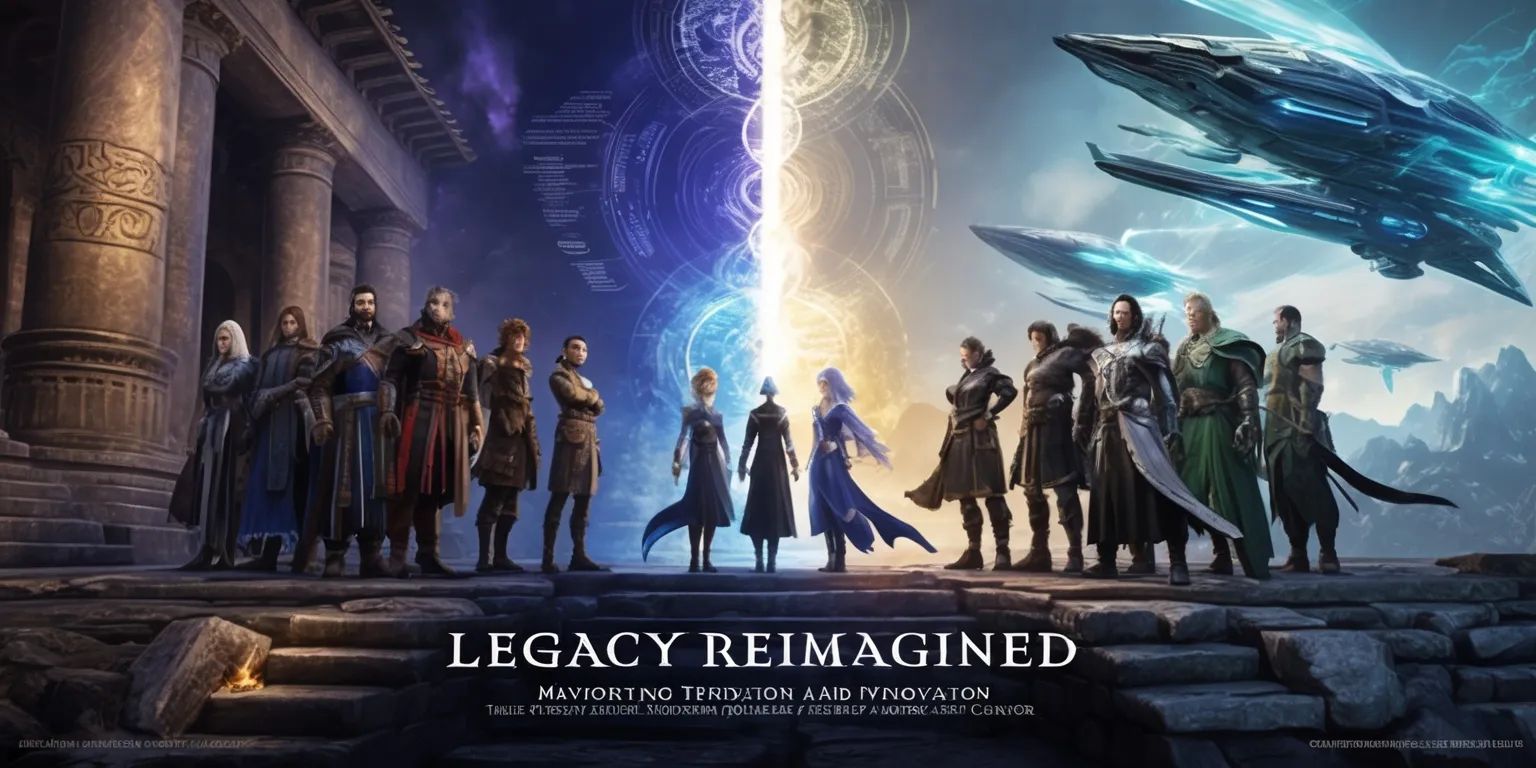
The journey through Final Fantasy Resonance stirs the imagination with hints of legacy and evolution. The game reimagines classic role-playing elements while weaving together a tapestry of modern mechanics and nostalgic callbacks. It challenges traditional storytelling through an amalgam of fresh ideas and familiar tropes, and Welcomes gamers into a universe that seamlessly blends contrasting qualities vibrant and conflicted. The narrative, characters, and battle systems are all meticulously crafted in an effort to Honor the time-honored legacy of the series while daring to carve out a unique identity. This exploration of what defines a modern fantasy epic sets the stage for a deeper Consider the game by examining it through a variety of lenses.
The World of Traditions and Rebellions
In Resonance, the game’s world is portrayed as one caught between abiding traditions and the fervor of revolution. The narrative unfolds in a setting where ancient powers and modern ideologies collide, manifesting through scenes of urban rebellion and the collapse of outdated regimes. Cities burn and ancient crystals shatter as characters challenge the structures of their society. The game echoes the struggles of eras past, yet it pushes forward with a bold reinterpretation of the role of legacy. Throughout these turbulent moments, players are drawn into a spectacle of dramatic upheaval, where every swing of a sword and every use of arcane power is saturated with symbolism. The environment itself takes on a role as significant as any of the characters who rebel against its constraints.
The Intricate Dance of Story and Character
The narrative of Resonance is layered with intriguing yet familiar character archetypes. The protagonists, ranging from enigmatic mages to rebellious swordsmen, struggle with personal conflicts that mirror the larger societal issues at play. Despite the richly imagined backdrop of defiance and revolution, the relationships among characters can sometimes feel disjointed, as if the emotional undercurrents were left by the wayside. Events unfold rapidly, offering little time for the subtleties of bonding to emerge organically among the cast. Moments that should reveal the impact of monumental tragedies pass by in a fleeting sequence, leaving players to question if deeper character development could have enhanced the dramatic weight of the story. The narrative attempts to balance both epic themes and personal drama, though it occasionally stumbles in delivering a fully integrated emotional journey.
The Evolution of Combat Mechanics
One of Resonance’s most defining features is its innovative battle system that fuses the traditional turn-based style with modern synergy and stamina dynamics. Players are introduced to an engaging system where compromising an enemy's stamina can yield staggered states and unlock additional tactical turns. The battle experience is layered with strategic complexity as each party member commands unique abilities, and the integration of ‘visions’ invokes memories of previous installments in the acclaimed series. The mechanics reward careful resource management and tactical forethought, creating intense combat sequences that challenge the mind as much as they demand quick reflexes. Even as the game slowly eases players into its multifaceted combat system, the interplay of skills and counters keeps encounters fresh and imbued with a sense of critical decision-making at every turn.
The Art of Balancing Nostalgia and Innovation
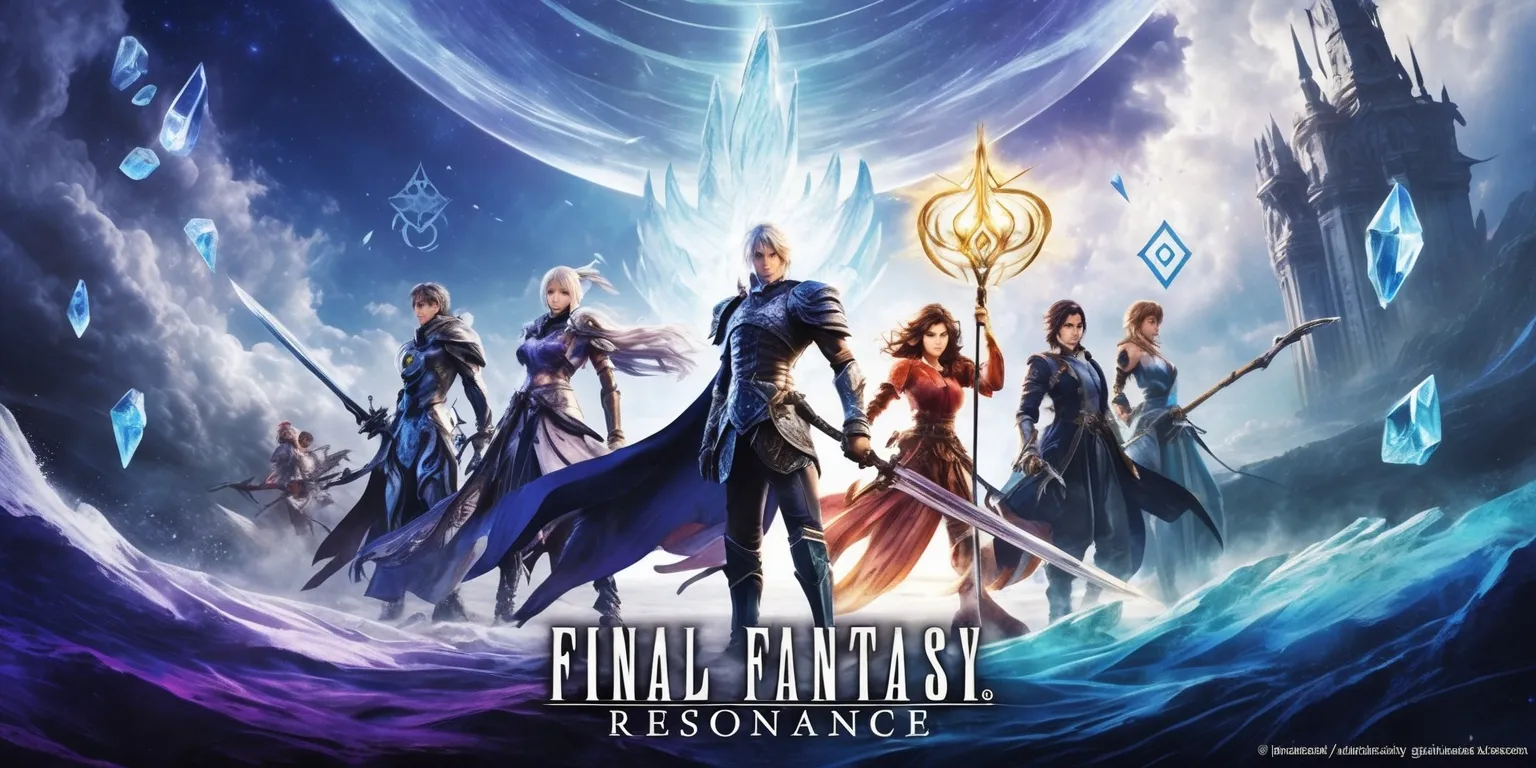
Resonance boldly ventures into the realm of homage by drawing upon established tropes from its legendary predecessors while attempting to explore new ground. The aesthetic presentation is a striking blend of HD-2D artistry that revisits the styles reminiscent of earlier eras in gaming. Detailed pixel art meshes with modern effects, creating a visual narrative that is both familiar and inventive. The game’s approach to reanimating elements from a previously mobile iteration alongside refined mechanisms appeals to longtime fans and curious veterans alike. However, this balancing act is not without its pitfalls, as some narrative elements feel overly dependent on legacy formulas. The design choice to retain certain historical motifs, while wishing to innovate in other respects, reflects an ongoing struggle to stay true to tradition while pursuing modern narrative and technical ambitions.
The Dynamics of Synergy and Special Abilities
Within the riveting combat system lies an elaborate layer of synergy among characters that adds depth to each skirmish. The introduction of ‘visions’—special manifestations drawn from the rich history of the franchise—cements the battle experience as a tribute to classic role-playing strategies. Each character’s unique abilities are further accentuated by synergizing with these visions, unlocking enhanced effects during critical combat phases. The system demands that players consider timing, placement, and resource allocation carefully, with every engagement offering new permutations of attack and defense strategies. This intricate network of buffs and debuffs creates a dynamic where tactical foresight is rewarded with decisive outcomes. As the challenge escalates with each chapter, the importance of mastering these mechanics becomes even more evident, bestowing a sense of achievement with each carefully orchestrated victory.
The Pace of Narrative and Gameplay Integration
Despite its myriad innovations, Resonance sometimes grapples with the challenge of maintaining a cohesive blend between its evolving narrative and gameplay structure. The early hours of the game lay the foundation slowly, building up the combat mechanics and world-building elements before propelling the player into a deep immersion of conflict and exploration. Critical plot points emerge sporadically, creating a cadence that may feel tentative and insufficiently connected to the game’s overarching themes. This measured pacing leaves room for extensive side quests and diverse battle encounters, yet the impact of certain dramatic moments can seem muted against a backdrop of rapid gameplay sequences. During these segments, the in-game world continues its unchanging rhythm, where episodic events unfold before resuming their routine existence. That disjointed rhythm invites reflection on how narrative and gameplay might converge more seamlessly in future iterations.
The Role of Iconic Boss Encounters
Central to the vibrant rhythm of Resonance are its carefully crafted boss encounters, each punctuating major story arcs. These battles stand as tests of mettle, where every calculated move is crucial to thwarting formidable foes. The bosses are presented not merely as hurdles but as embodiments of the challenges the world itself faces. Their design intricately weaves in the stagger states, vision summons, and tactical diversions that form the heart of the combat system. Even players with well-developed teams find themselves rethinking their strategies when these adversaries step into battle. Each confrontation demands both resilience and adaptability, drawing players into moments of high tension and strategic brilliance. The intricate design of these fights, combined with the evolving capabilities of the protagonist group, reinforces the urgency inherent in a world teetering on the edge of drastic change.
The Visual Splendor of HD-2D Aesthetics
The artistic presentation of Resonance sets it apart from many contemporaries by effectively merging nostalgic visuals with modern rendering techniques. The HD-2D aesthetic is a vibrant celebration of traditions in visual storytelling, where detailed pixel art meets dynamic lighting and high-definition textures. This creative interplay offers a fresh take on a classic art style, evoking a sense of wonder and reminiscence for longtime enthusiasts of the franchise. Every frame is meticulously tailored to deliver both emotional depth and visual splendor, inviting players to immerse themselves in environments that feel alive with history and mystery. The Visual appeal serves as a key factor in elevating the… narrative and combat scenes, where the vibrancy of colors and textures helps to heighten the impact of dramatic plot twists and elaborate battles. The game’s visuals stand as a testament to the careful design philosophy that created a memorable, yet innovative, experience.
The Integration of Open World and Exploration
As players progress, Final Fantasy Resonance expands its horizons by unveiling an open world that greatly rewards exploration. The break from linear progression allows adventurers to wander into previously inaccessible domains where side missions and hidden treasures lie in wait. These open-world segments bring a fresh perspective to the game, blending structured narrative segments with explorative freedom. Hidden puzzles, secret dungeons, and mysterious weapon caches add layers of intrigue that enhance the overall experience. This design choice ensures that players are not simply moving through scripted events, but rather actively piecing together the fragmented lore of a world in crisis. The expansive layout is reminiscent of classic explorative games, yet it remains uniquely refreshed by modern design principles that encourage creativity and spontaneity at every turn.
The Craft of Character Development and Specialization
Each member of the resonant cast is designed "with a clearly defined purpose, playing an essential role in" the overall tactical diversity of the group. The game carefully assigns distinctive abilities and styles to its characters, ensuring that no two playthroughs feel identical. As adventurers progress deeper into the story, new layers of specialization emerge, inviting players to experiment with various builds and combinations. The subtle interplay between individual character traits and group synergy encourages a thoughtful approach to strategizing in combat. While some characters struggle with developing robust interpersonal dynamics, their unique skills remain central to navigating the game’s multifaceted challenges. By focusing on character specialization, the game not only reinforces the importance of tactical depth in battles but also highlights the personal struggles and growth that define each hero's journey in a world fraught with tension and transformation.
The Technological Backbone and Interface Design
Beyond its narrative and visual strengths, Resonance is supported by a robust technological framework designed to accommodate its blend of classic and modern gameplay elements. The interface is crafted to be intuitive and responsive, giving players easy access to both character statistics and intricate combat options. Innovative features like stamina management and vision activation are seamlessly integrated into the UI, ensuring clarity even during the most complex encounters. This thoughtful design allows even newcomers to gradually master the game's systems without being overwhelmed. Every aspect of the interface appears meticulously planned to provide essential information at a glance while preserving the rich aesthetics and atmosphere of the game. The balance between form and function in the technological design accentuates the overall experience and reaffirms the creative ambitions driving the project.