Exploring Hytale's Dynamic Workbench Crafting System: Innovation, Strategy, and Progression
- 0
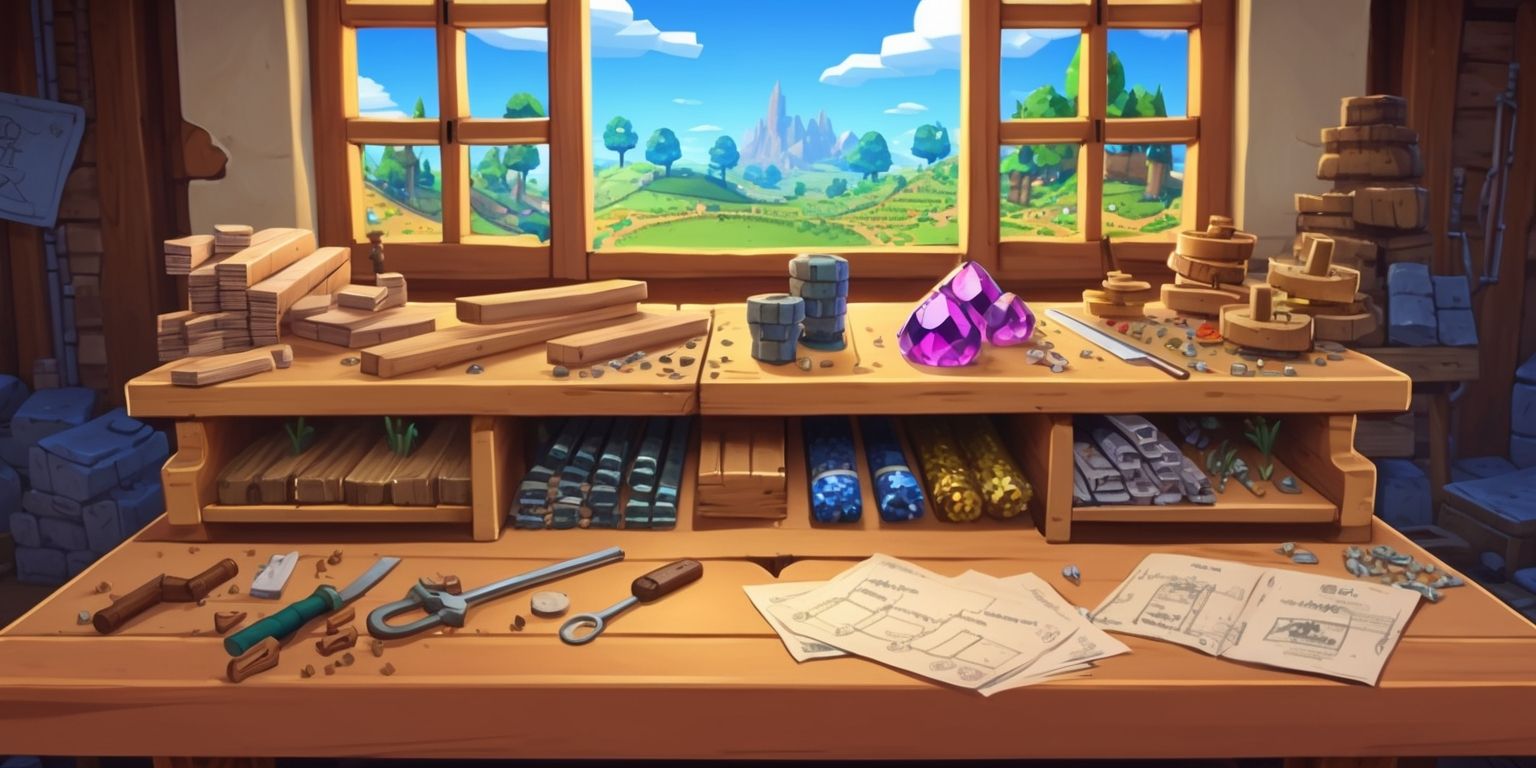
Within Hytale, the intricate dance of discovery and creation unfolds as players learn to harness the environment’s abundant resources. The game encourages exploration across varied biomes, where every stone and tree trunk can be transformed into indispensable building materials and crafting tools. At the heart of this experience lie specialized workbenches, each designed to craft specific items, gear, and materials required for survival and progression. The focus on these varied workstations creates layers of depth in gameplay and design, inviting both time-honored strategists and creative explorers alike to experiment with diverse recipes. This detailed exploration examines all the crafting recipes available for workbenches, delving into the specifics of resource acquisition, functional diversity, and the overall significance these stations hold in crafting an immersive world.
Resource Discovery and Crafting Foundations
The journey in Hytale begins with the fundamental task of resource discovery, where the early steps in exploring your surroundings pave the way for continued advancements in crafting. Basic elements such as stones and tree trunks are omnipresent across the map, ensuring that regardless of the biome reached, players have reliable access to the raw materials needed to begin the process. These early resources enable the creation of an essential workbench, serving as the primary platform for further crafting endeavors. Unlike similar systems seen in other games, Hytale’s crafting mechanisms demand that players not only gather but also strategically deploy these materials to unlock advanced workstations. As you navigate through the various biomes—from lush forests to rugged mountains—the significance of every resource gradually becomes clear: they are all stepping stones in a broader system that couples discovery with systematic progression.
Embodying the First Crafting Station
At the core of every player's crafting experience is the initial workbench, a tool akin to a canvas that transforms simplicity into potential. Crafted using basic resources like stones and tree trunks, this rudimentary station is the gateway to Hytale’s extensive array of specialized workbenches. The process of crafting this initial workbench is intuitive: players simply combine three stones with four tree trunks, a recipe that is accessible early in the game. By focusing on this foundational step, players immediately engage with the crafting mechanics and lay the groundwork for more complex recipes. This workbench serves as the universal platform from which all other workstations are derived, emphasizing the importance of maintaining a ready supply of accessible materials. The craft system here serves as both an evaluation of resource management and a primer for more intricate crafting methods later on.
Unlocking the Crafting System’s Full Potential
Progression in Hytale is defined by a systematic unlocking of various crafting stations, each tied to a specific set of materials and designed with its own unique functionality. In the early stages, newly spawned players must navigate their immediate environment, gathering essential items such as tree trunks and stones through exploration. These materials are then utilized to unlock the primary workbench, the precursor to the expanded crafting system. This incremental unlocking process is not merely about access; it represents the player's gradual assimilation of the game’s deeper mechanics. Every workstation unlocked propels the player forward into realms of greater complexity, demanding more meticulous resource collection and strategic placement. The progression deeply intertwines the act of gathering with advancement, Making sure that each action taken plays a significant role in… both personal growth and the establishment of a fully equipped base.
Specialized Workbenches and Their Intricate Roles
Beyond the basic crafting station, Hytale boasts a selection of eight uniquely specialized workbenches, each tailored to produce specific items and materials necessary for both offense and defense, construction, and resource conversion. Each workbench comes with its own distinct recipe and utility, highlighting the game developer’s attention to detail and emphasis on player customization. For example, while a standard workbench might serve as a catch-all for the introductory crafting experience, other specialized stations require more nuanced combinations of materials such as varying quantities of stones or tree trunks. Their roles extend beyond merely assembling items; these workstations form the backbone of a player’s base, allowing for the production of complex gear and structures. This curated selection of crafting stations encourages players to strategically plan their resource allocation and base layout, blending creativity with tactical foresight.
Material Specificity and Its Impact on Crafting
The crafting recipes in Hytale emphasize the precise use of defined materials, underscoring the importance of careful resource management and prioritization. The regular workbench, for example, requires a calculated combination of three stones and four tree trunks to be created, This makes it necessary to diligently manage an inventory that is adaptable and responsive to situational needs. This specificity not only enriches the gameplay by highlighting the need for sustainable harvesting practices but also ensures that players are consistently aware of their resource reserves. As biomes differ, so do the availability and quality of materials, thereby challenging players to adapt their strategies for resource acquisition. This interplay of diverse materials with meticulously crafted recipes creates an elaborate system where every element, from a single stone to a collection of trunks, Serves as an indispensable component in achieving the success of failure of crafting ambitious projects.
Design Aesthetics and Workbench Functionality
The design of workbenches in Hytale reflects a blend of functional brilliance and aesthetic appeal, ensuring that every workstation not only performs its designated task but also contributes to the overall look and feel of a player’s base. Each crafting station is designed with clear visual distinctions, Here's one possible rewrite: "allowing players to swiftly pinpoint their" purpose at a glance. The regular workbench, for instance, is crafted with an emphasis on simplicity and durability, serving as a concrete reminder of the game’s early challenges and triumphs. In contrast, the specialized workbenches incorporate more intricate designs and materials, emphasizing the evolution of both player skill and game complexity. This dual focus on functionality and beauty transforms the crafting process into an engaging, immersive experience that rewards both practical resource management and an eye for detail in design.
Building a Fully Functional Crafting Hub
Establishing a comprehensive base in Hytale necessitates the construction of a centralized hub that not only serves as a safe space but also as the nerve center for crafting activities. The initial workbench is only the beginning; to maximize production and efficiency, players must strategically integrate all eight specialized workbenches into their base. This central hub becomes a dynamic environment where various crafting recipes are concurrently executed, contributing to an evolving ecosystem of resource transformation and item creation. As players invest in and expand their bases, each workbench is positioned thoughtfully to create a seamless workflow. This integration elevates the crafting process from a simple system of resource conversion to a highly strategic endeavor, in which the physical layout of the base directly influences overall success in both stationary defense and exploratory missions.
Adaptability in Solo and Cooperative Play
Hytale’s workbench system delivers a rich experience whether players venture solo or embrace multiplayer collaboration. In solitary gameplay, the reliance on intuition and careful planning is accentuated by the responsibility of both resource collection and workstation management. In contrast, cooperative play introduces an additional layer of strategy, as teammates collaborate to operate various crafting stations simultaneously. This cooperative dynamic enables efficient resource sharing and specialized roles, with each player potentially managing a different aspect of the crafting hub. The game’s design encourages communication and coordinated effort, making sure that the wealth of workbenches and recipes is accessible and functional regardless of team size. As such, the system is finely tuned to support the divergent needs of individual players and groups, ensuring a harmonious balance between solo survival instincts and collaborative strategy.
Comparative Perspectives with Other Crafting Systems
The workbench crafting system in Hytale sets itself apart from similar frameworks seen in other sandbox titles, particularly drawing comparisons to the crafting tables familiar to players of other popular games. While the basic concept may initially echo the simplicity of prior systems, Hytale introduces a spectrum of specialized workstations that elevate the crafting experience to new heights. Each station is designed to handle unique materials and produce distinct outputs, making the process both more challenging and rewarding. This evolution of traditional crafting mechanics not only underscores the creative ambitions of the developers but also deepens the gameplay experience. By embedding a wide array of recipes within its core design, Hytale ensures that players must engage with multiple layers of complexity—managing both resource acquisition and the tactical application of varied workbench functionalities.
Functional Diversity and Strategic Crafting
Every workbench present in Hytale carries with it a unique set of functions that open up distinct avenues for gameplay progression and base development. The diversity of these functional modules means that players are confronted with a constant need to strategize their resource allocation in alignment with their current objectives. Some workbenches are better suited for producing defensive gear and materials that ensure survival against in-game adversaries, while others focus on crafting the tools necessary for exploration and unlocking advanced biomes. The deliberate variation in workbench recipes—where each station requires different combinations of stones, tree trunks, and other materials—compels players to engage in thoughtful decision-making. This strategic layering in the design of crafting stations transforms routine resource gathering into an engaging puzzle, where each successful construction of a workbench redefines the limits of what a player may achieve next.
Interconnected Crafting Systems and Collaborative Dynamics
Hytale’s crafting network is not an isolated system but rather an interconnected web that encourages a fluid, dynamic interplay among various workstations. This integrated approach means that creating a single workbench often acts as a stepping stone for unlocking subsequent crafting recipes and environments. For instance, after obtaining the first workbench through the combination of stone and tree trunks, the door to more specialized stations opens incrementally, each requiring a unique blend of resources. Such a structure reinforces an ongoing cycle of experimentation and discovery, where each crafted item paves the way for further progression. The network mimics the natural symbiosis found in ecosystems, where the presence of one element invariably supports the growth and functionality of the next. Engagement with this network ultimately transforms a player’s base into a living, breathing hub of continual creative progress.